


 INTERNATIONAL RELATIONS OFFICE

Ondokuz Mayıs University continues to strengthen its international academic partnerships year after year. The number of active bilateral cooperation protocols has reached 213, spanning 56 partner countries across five continents. Covering academic exchange, joint research and faculty mobility, these protocols form the backbone of OMU's global academic network.
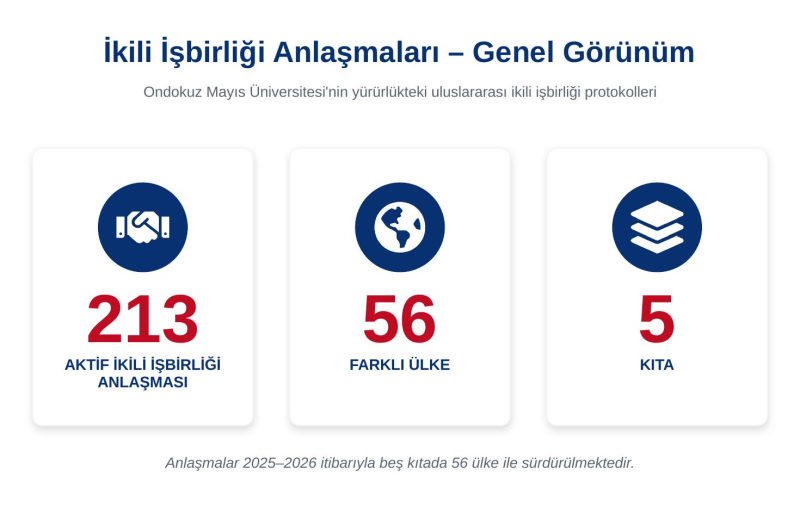
Figure 1. Overview of active bilateral cooperation agreements.
Partnerships Spanning Five Continents
By continent, the distribution shows that OMU maintains particularly strong ties with Asia (101 agreements), followed by Europe (48) and Africa (43), alongside cooperation in North America (7) and South America (2). This geographical diversity enables the university to share experience across a wide range of higher-education systems.
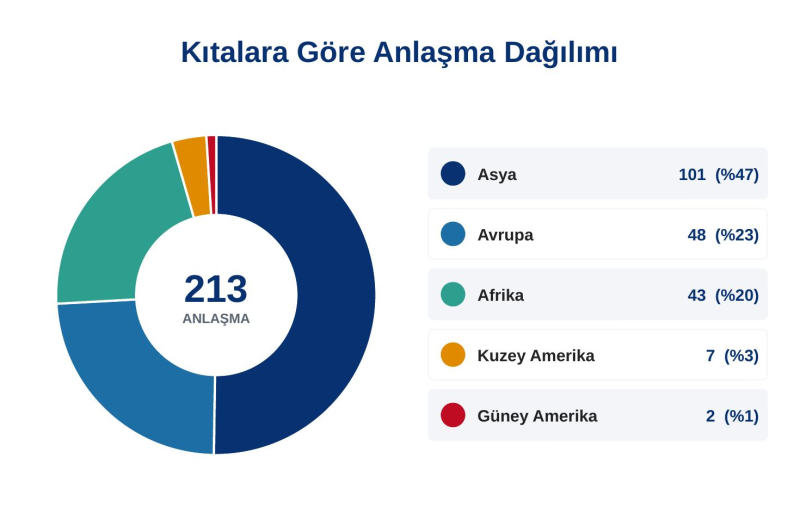
Figure 2. Distribution of bilateral cooperation agreements by continent.
27 New Protocols in 2025–2026
In the most recent academic period alone, 27 new bilateral cooperation agreements were signed across four continents. The new protocols include agreements with Uzbekistan, Georgia, Malaysia, Azerbaijan and Japan, as well as Ukraine, Kyrgyzstan, Vietnam, Romania, India, the USA, Costa Rica, Peru, Iraq, Egypt and Taiwan. This range shows that OMU is both deepening its established regional partnerships and reaching new regions.

Figure 3. New agreements signed in the 2025–2026 academic year.
Among active agreements, the leading partner countries are Sudan (25), Georgia, Kazakhstan and Uzbekistan (13 each), Ukraine (11) and Azerbaijan (10).
Incoming Mobility: 51 Scholars and Students in 2025–2026
The bilateral cooperation protocols translate into tangible mobility. In the 2025–2026 academic year, the university hosted 51 incoming visitors, comprising 27 students, 19 observers and 5 faculty members — with nearly all mobility realized through bilateral cooperation protocols.
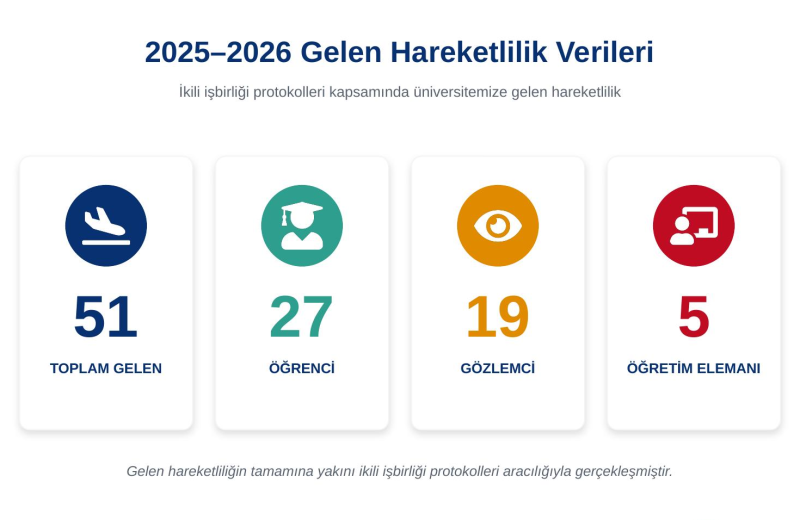
Figure 4. Incoming mobility data for 2025–2026.
By country, incoming mobility was led by Kazakhstan (24) and Kosovo (19), followed by Azerbaijan (5) and Kyrgyzstan (3). Among academic units, the highest mobility took place at the Faculty of Education (21) and the Faculty of Medicine (18), with the Faculties of Dentistry, Engineering and Theology also welcoming incoming guests.
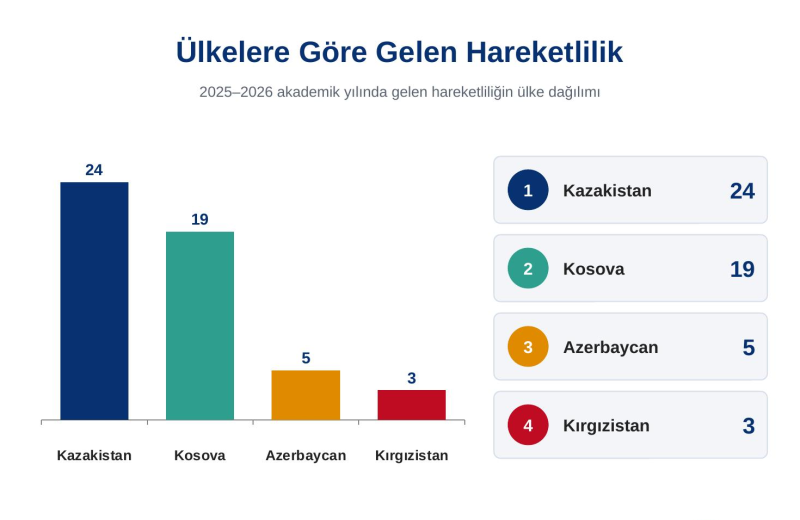
Figure 5. Incoming mobility by country (2025–2026).
A Steady Rise Spanning Over a Decade
OMU's track record in international mobility extends well beyond a short-term effort. Since 2014, more than 960 incoming mobilities have taken place under bilateral cooperation. Year-by-year figures reveal a steadily growing international network that peaked in 2023 (149) and 2024 (142).
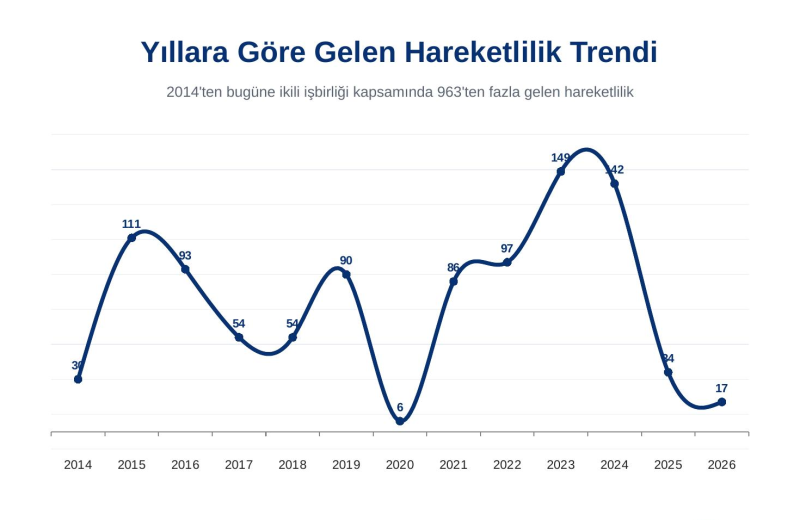
Figure 6. Incoming mobility trend by year (2014–2026).
Looking ahead, the International Relations Office aims both to increase the number of new agreements and to further deepen existing partnerships through reciprocal visits, joint projects and student–faculty exchanges. Through this expanding international network, OMU will continue to offer its students and academics opportunities on a global scale.